
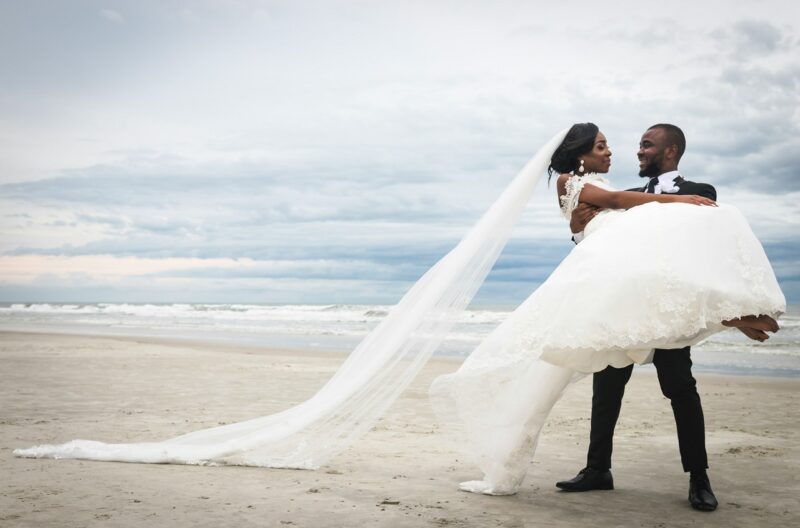
One in four couples now choose to say “I do” outside their home country, and destination weddings have grown by more than 20% over the past few years alone. Yet a wedding on a beach or in a castle is only romantic if it’s also legal. Miss one document or one deadline and you could come home with a beautiful album and no valid marriage.
What You Need to Marry Abroad Legally
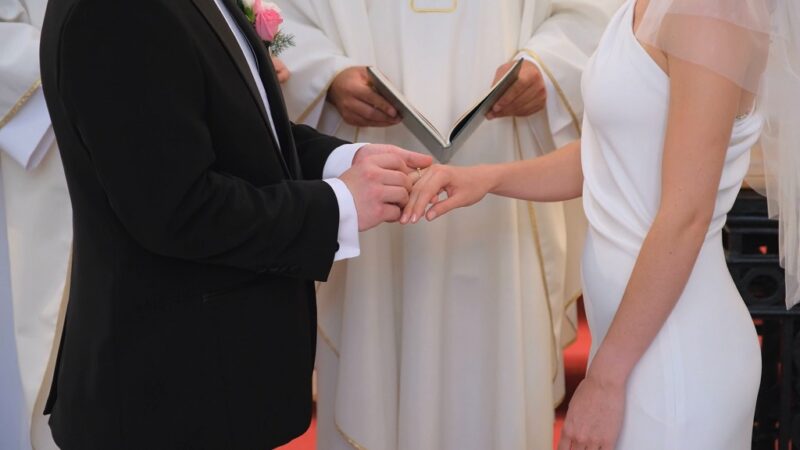
Every country sets its own rules, but the core requirements repeat almost everywhere. Before booking flights, plan around these five items:
- A valid passport with at least six months left before expiry
- A long-form birth certificate, sometimes issued within a recent window
- Proof you’re free to marry, such as a Certificate of No Impediment or a sworn affidavit
- Divorce or death certificates if either partner was previously married
- Certified translations and, in many cases, an apostille, since most registries won’t accept a document they can’t read or verify
Get these five in order early and the rest of the process, choosing a venue, picking a date, briefing your guests, becomes the fun part.
Why Legal Marriage Abroad Is More Paperwork Than People Expect
Couples often assume that a ceremony performed by a licensed officiant abroad is automatically valid everywhere. It isn’t automatic. Two separate legal systems have to agree: the country where you marry, and your home country.
The U.S. Department of State’s marriage abroad guidance confirms that a marriage performed overseas is generally recognized in the U.S. once it meets the legal requirements of the country where it took place, while recognition in a different country depends entirely on that country’s own laws.
The same logic applies in reverse for couples marrying abroad from the UK, Denmark, or anywhere else: local compliance is step one, home-country recognition is step two, and they don’t automatically overlap.
Residency Rules Vary More Than Couples Expect

Many countries require you to physically be in the country for a set number of days before you can even apply for a marriage license. Denmark and Gibraltar keep this close to zero, while Thailand, Sri Lanka, and the Seychelles ask for a few days of presence. France sits at the other end, often requiring weeks of residency or special dispensation from a local church or authority.
| Destination | Typical residency requirement |
| Denmark, Gibraltar | Minimal, often same day |
| Thailand | Around 3 days |
| Sri Lanka, Seychelles | 3 to 4 days |
| Mauritius | 1 day |
| France | Several weeks, or special permission |
| Cyprus | Minimum 3 clear working days |
Confirm the exact number with the local registry or your venue coordinator before you book anything. Residency windows change without much notice, and they’re the single most common reason a legal ceremony gets pushed to a second date.
Documentation: The Part That Actually Delays Weddings
Most delays trace back to paperwork, not weather or venues. Registries abroad routinely reject documents that are outdated, unsigned, or in the wrong language. A short-form birth certificate, for example, is accepted in some countries and rejected in others that require the long-form version listing both parents.
Translation is where couples lose the most time. If your birth certificate, divorce decree, or affidavit isn’t in the local language, most foreign registries will not accept it at face value. You’ll need an official translation of your birth certificate completed by a certified or sworn translator, sometimes with an apostille attached to confirm the translation itself is valid. Agencies like Elmura Linguistics handle this kind of certified document translation for couples marrying abroad, producing versions that registries and embassies actually accept rather than generic translations that get bounced back.
A few country-specific quirks worth knowing:
- Italy requires a Certificate of No Impediment translated into Italian, plus a bilingual statutory declaration.
- Mauritius asks for a pregnancy test if the bride has been divorced less than 10 months before the ceremony.
- Antigua requires both partners to sign a local affidavit confirming single status, even with paperwork already in hand.
Rules like these change with little warning, so confirm directly with the consulate or registry for your destination rather than relying on older blog posts or forum threads.
Civil, Religious, and Symbolic Ceremonies Are Not Interchangeable

Not every wedding performed abroad carries legal weight, and this trips up more couples than any residency rule.
- Civil ceremonies meet the country’s legal requirements and produce a legally binding marriage.
- Religious ceremonies are legally binding in some countries and purely spiritual in others, depending on local law.
- Symbolic ceremonies have no legal standing anywhere. Couples choose these when they want a beach or garden wedding without residency headaches, then handle the legal marriage separately at home.
Bali is a clear example: no civil marriages are performed there, only religious ones, and both partners must share the same religion for it to count. Many couples get legally married at home first and treat the Bali ceremony as symbolic. Confirm which category applies to your destination before you assume the ceremony itself finalizes anything.
Bringing the Marriage Home
Once the ceremony is done, the paperwork isn’t quite finished. GOV.UK’s guidance on marrying abroad points out that couples often need documents proving they’re free to marry, such as a Certificate of No Impediment, and should confirm exactly what’s required before booking a ceremony, a step that applies just as much to bringing the marriage back home as it does to the ceremony itself. In practice, most couples don’t need to re-register a foreign marriage once it’s valid abroad, but they do need to:
- Request several certified copies of the marriage certificate before leaving the country, since reissues later can be difficult or impossible
- Check whether their home country requires the certificate to be registered locally, such as Danish citizens presenting it to their kommune
- Keep certified translations on file for banks, name changes, and visa applications
FAQ
Conclusion
A legal wedding abroad comes down to matching two sets of rules: the destination’s and your own country’s. Residency windows, document formats, and certified translations decide whether your marriage is recognized the moment you say “I do,” not months later after a scramble to fix paperwork. Start the legal groundwork six to twelve months out, confirm requirements directly with the registry or embassy for your destination, and the ceremony itself becomes exactly what it should be, the easiest part of the day.
